Archival Scanning & Digitization
Every piece of physical media has a unique texture, grain structure, and tonal depth. Standard commercial scanning often crushes these delicate subtleties, applying automated sharpening and contrast that strips the image of its original character. My digitization process is entirely manual, meticulously tailored to the specific emulsion, format, or paper type of your original media. I focus on extracting the maximum amount of data, dynamic range, and true optical resolution so your digital file remains as authentic as the physical artifact.
The Process & Handling
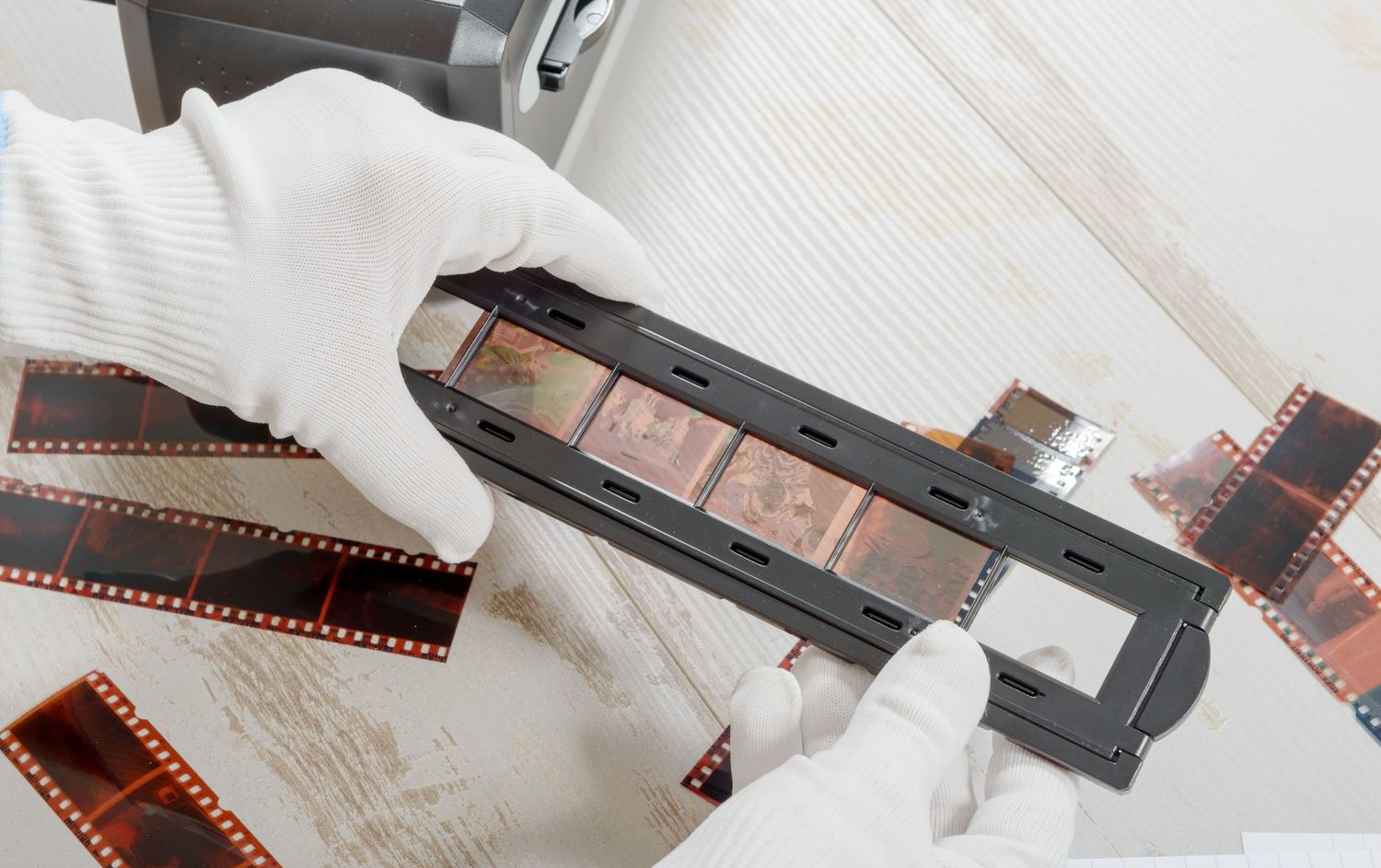
Archival Safety First: Strict use of white cotton gloves, filtered air-dusting, and safe mounting techniques to ensure your originals are protected at every stage of the process.
Flat & Neutral Profiling: Scans are captured with neutral color profiles to retain the natural latitude of the film, providing a perfect, uncompressed baseline for accurate reproduction or future grading.
Exhibition-Ready Resolution: Delivering high-fidelity, uncompressed TIFF files built to withstand large-scale gallery printing, museum archiving, or high-end brand publication.
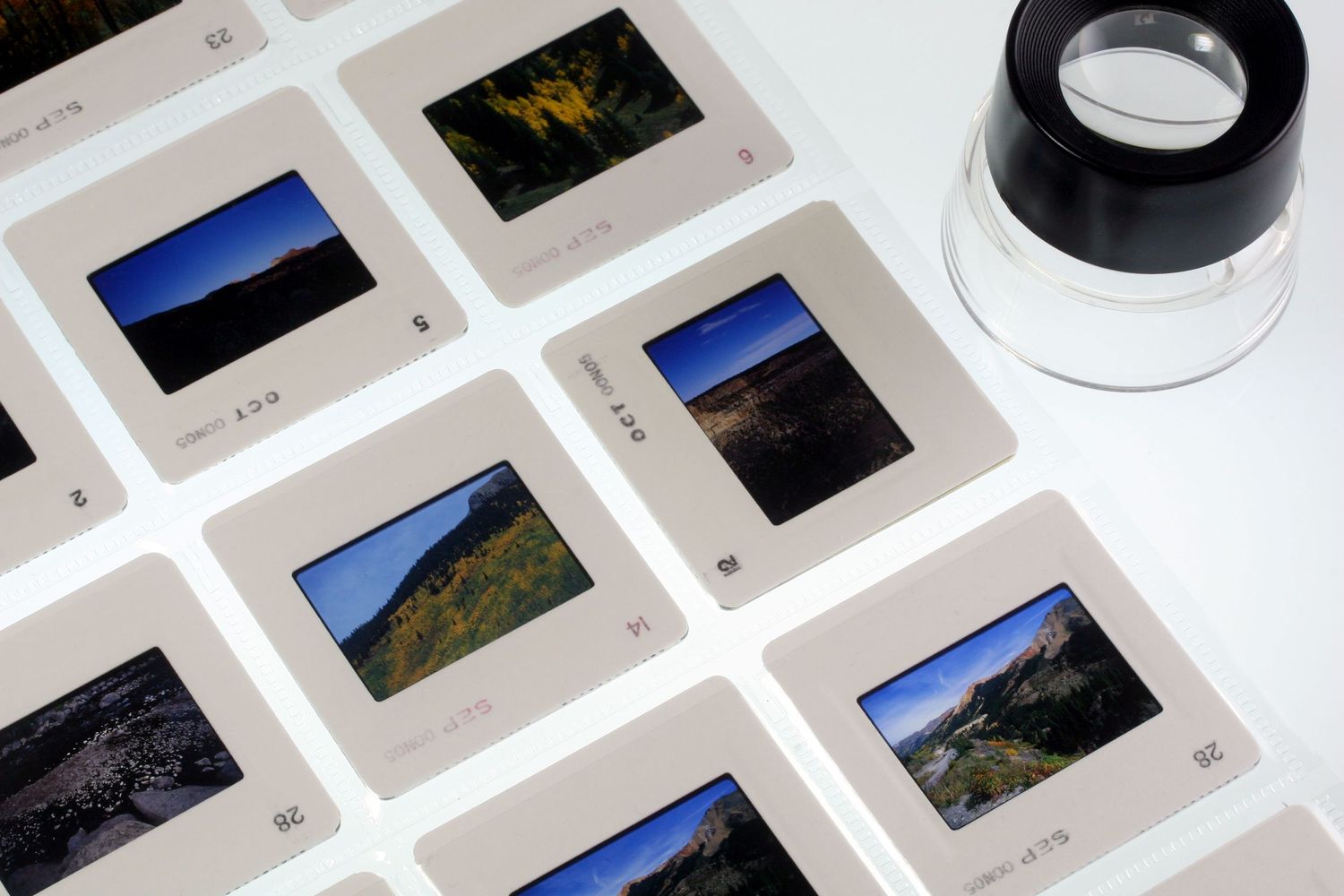
Transparencies & Negatives
35mm, Medium Format (120/220),
and Large Format (4x5, 8x10).
inquire for pricing
Reflective Media
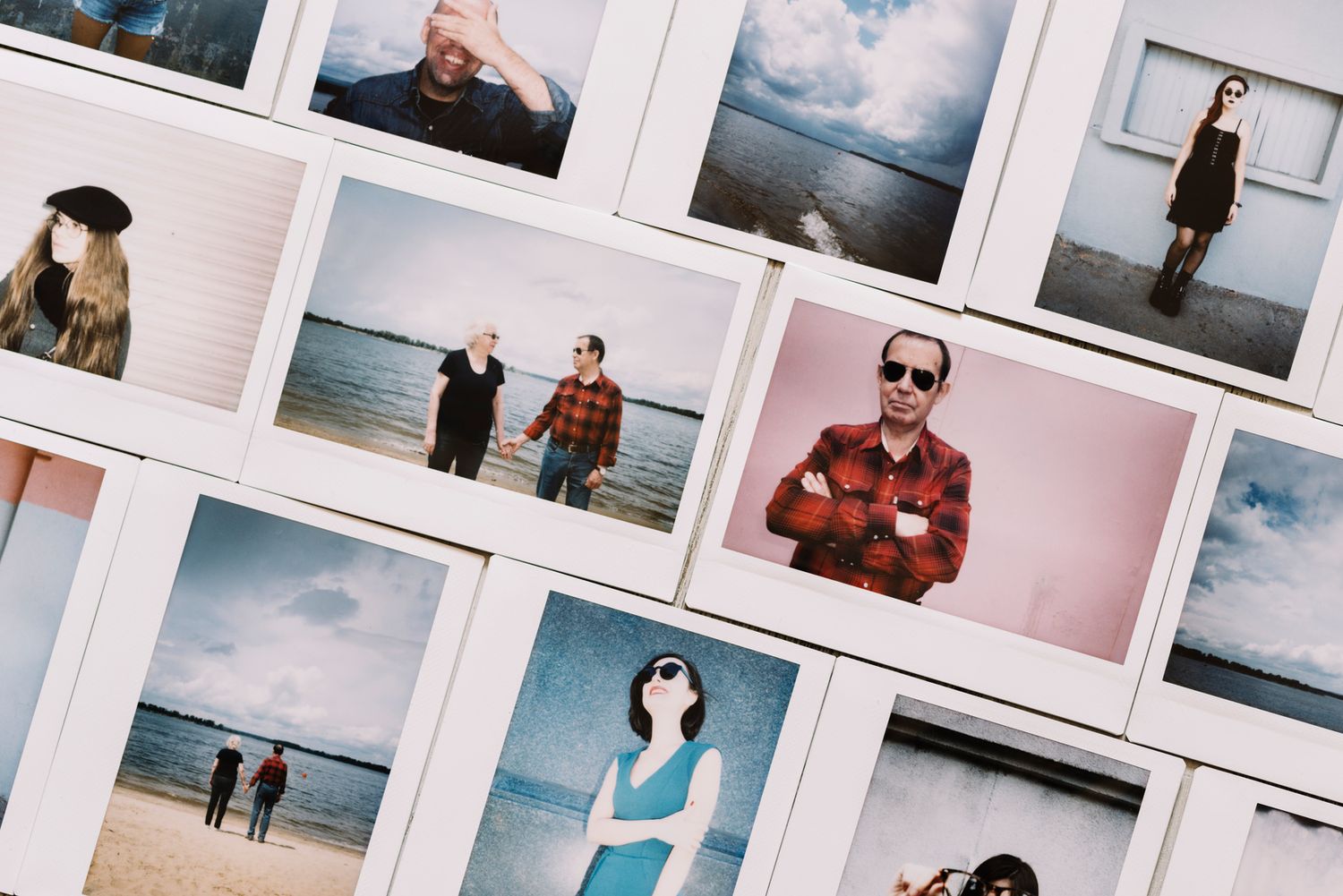
Historic photographic prints, polaroids,
fine art pieces, and archival collateral.
inquire for pricing
Fragile Artifacts
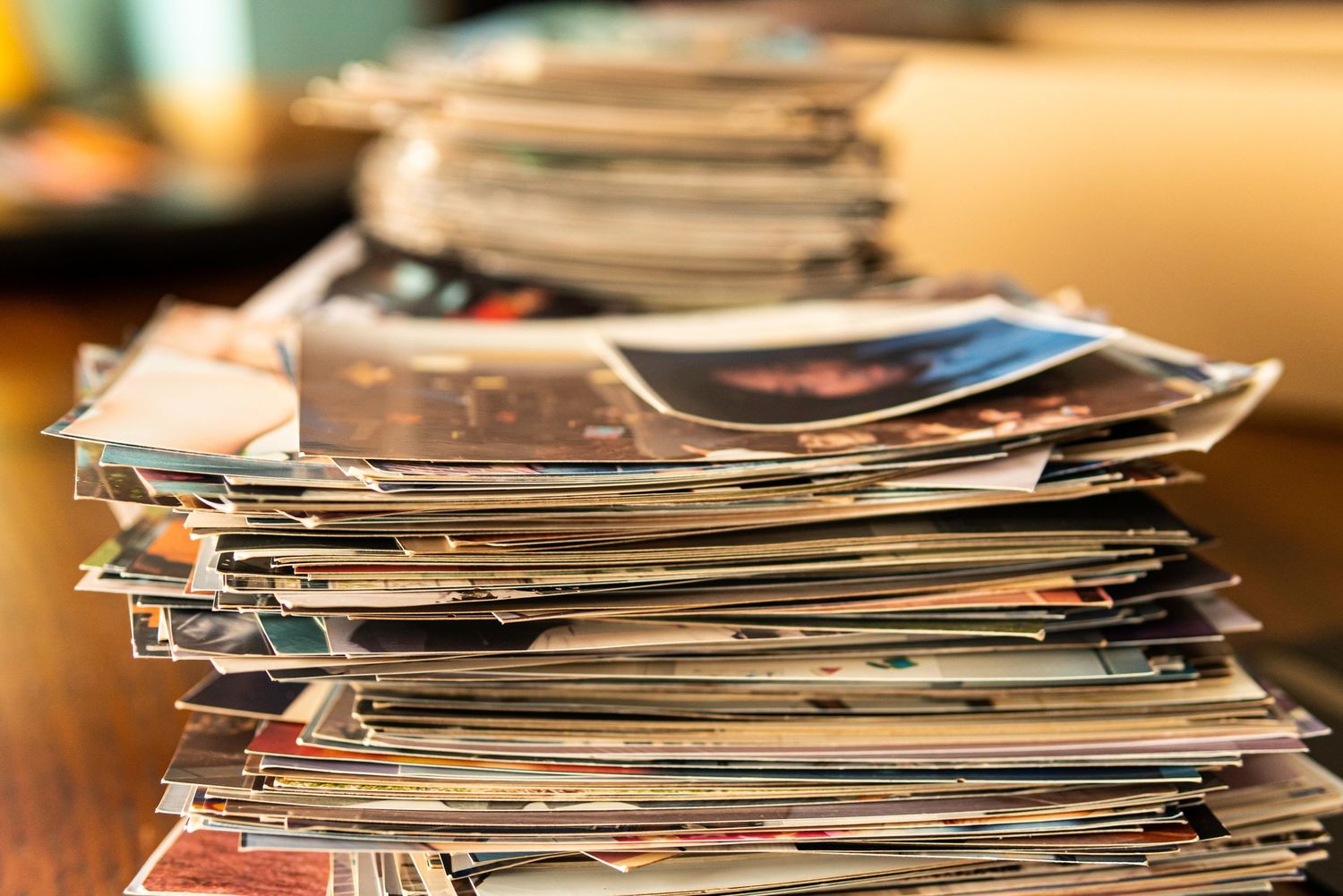
Specialized, glass-bed handling for delicate, torn, or aging materials that require a non-destructive touch.
inquire for pricing
Expert Analog Retouching & Restoration
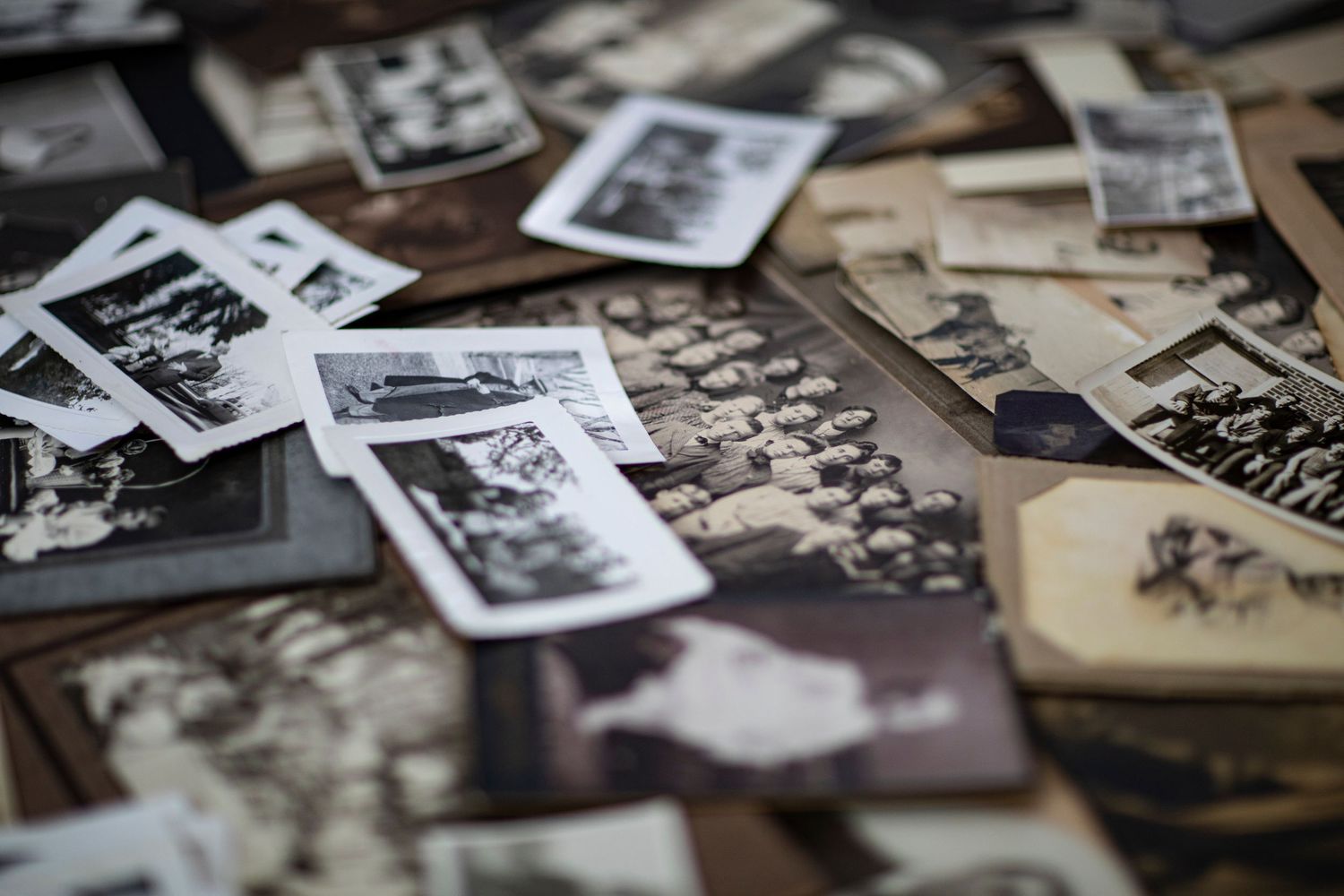
Time, environment, and handling inevitably leave their mark on physical media. The goal of high-end restoration is not to make an analog photograph look "digital" or artificially smooth, but to return the image to its original glory. True retouching requires an invisible hand. I do not rely on destructive, automated healing software. Instead, I approach every scan manually, preserving the inherent grain structure and character of the emulsion while repairing decades of damage.
phase 01
Meticulous Dust &
Scratch Removal
Automated dust removal algorithms often misinterpret fine details—like eyelashes, leaves, or architectural lines—as scratches, creating digital artifacts and blurring the image. I perform all dust and scratch removal by hand at a 100% crop, ensuring that only the imperfections are removed and the true sharpness of the original photograph remains completely intact.
Automated dust removal algorithms often misinterpret fine details—like eyelashes, leaves, or architectural lines—as scratches, creating digital artifacts and blurring the image. I perform all dust and scratch removal by hand at a 100% crop, ensuring that only the imperfections are removed and the true sharpness of the original photograph remains completely intact.
phase 02
Damage Repair &
Emulsion Recovery
Whether dealing with a torn historic document, a folded family heirloom, or a negative suffering from mold, water damage, or emulsion flaking, I carefully rebuild missing information. By utilizing advanced cloning and healing techniques, I seamlessly reconstruct damaged areas to match the surrounding texture and grain, rescuing images that might otherwise be lost.
phase 03
Color Correction &
Dye Fading Rescue
Color film dyes age and fade at different rates, often leaving historic photos with severe color shifts (typically turning magenta or heavily yellowed). Drawing on my deep understanding of specific film stocks and darkroom color theory, I painstakingly rebalance the color channels, correct silver mirroring, and restore the natural, intended tones of the original scene.
phase 04
Digital Dodging & Burning
Honoring traditional darkroom techniques, I carefully manage the contrast and density of the scan. By selectively dodging (lightening) and burning (darkening) specific areas of the frame, I draw the eye to the intended subject and recover details hidden in the deep shadows or blown-out highlights, presenting the image exactly as the original photographer envisioned.
The Process
More Than a Drop-Off Service
Digitizing and restoring an extensive archive is a significant undertaking that requires planning, precision, and a clear understanding of your end goals. I do not operate as a high-volume, automated scan lab. Instead, I partner with brands, institutions, and creators to provide dedicated stewardship of their physical media. Because every collection is unique in its format, condition, and volume, all large-scale projects begin with a thorough consultation.
phase 01
Discovery & Consultation
Every successful archive project starts with a conversation. We will discuss the scope of your collection, the physical condition of the media, and your ultimate goals for the digital files—whether they are bound for a fine art publication, a brand heritage campaign, or long-term museum storage.
phase 02
Assessment & Custom Proposal
Before any work begins, I require a thorough understanding of the materials. Depending on the scale of the project, this may involve reviewing a small sample of the archive to assess emulsion degradation, necessary color recovery, and the required depth of manual retouching. Based on this assessment, I will provide a bespoke project proposal, outlining the technical workflow, turnaround timeline, and a comprehensive estimate.
phase 03
Secure Intake & Digitization
Once the scope is approved, we will coordinate the secure transfer of your physical media. From the moment your archive enters my studio, it is handled with uncompromising care, utilizing archival-safe practices, temperature-aware storage, and meticulous handling protocols throughout the entire scanning and restoration process.
phase 04
Delivery & Final Handoff
Upon completion, you will receive meticulously organized, uncompressed master files tailored to your specific delivery requirements. We will review the final assets together to ensure the digital archive flawlessly translates the soul, character, and history of your original physical media.
Let's Discuss Your Archive.
Every collection has a unique history and requires a tailored approach to preservation. Because I take on large-scale and highly specialized archival projects, I want to ensure we are the right fit before any physical media changes hands.
Please fill out the inquiry form below with as much detail as possible about your collection, its current condition, and your ultimate goals for the digital files. I will review your project and reach out to schedule our Phase 1 Consultation.